Review: Mandala 3D Layered SVG Cut File-34
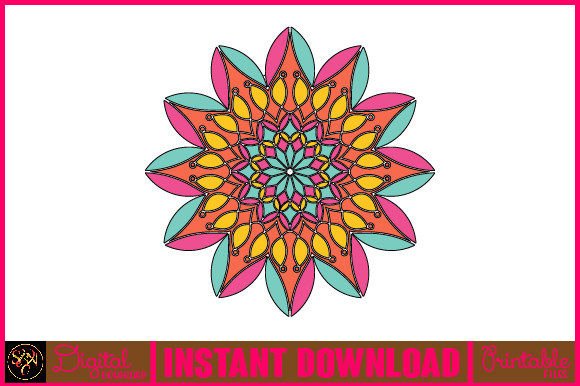
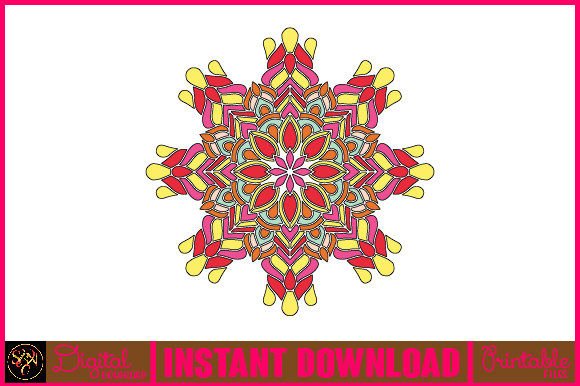
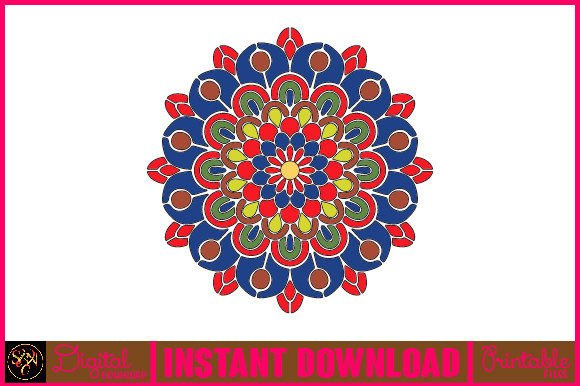
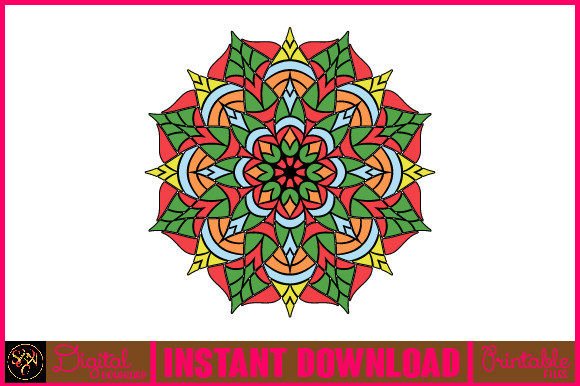
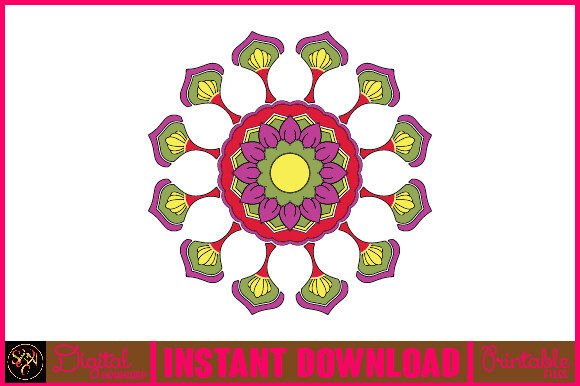
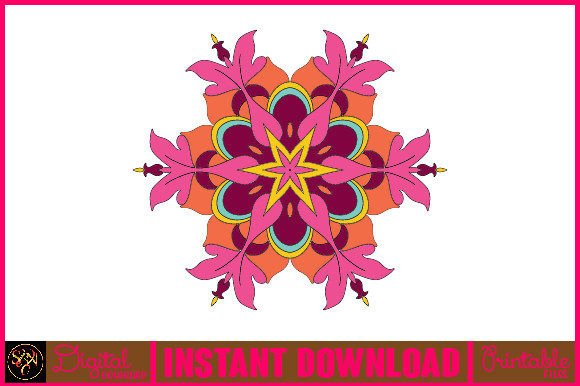
As a designer who has spent countless hours digitizing and testing machine embroidery design files, I approach every new asset with a mix of curiosity and skepticism. We have all been there: downloading a beautiful preview image only to find the actual embroidery file is a nightmare of excessive jump stitches or poor density management. However, when I first loaded Mandala 3D Layered SVG Cut File-34 into my workflow, the immediate visual impact was striking. This is not just another generic geometric pattern; it is a hand-drawn colorful mandala with tribal ornamentation that carries a distinct artistic personality.
The "3D layered" aspect of this design suggests depth and complexity, which is crucial for standing out in the crowded market of Crafts and Graphics. For those of us running small businesses or creating handmade products, the difference between a flat, boring design and one with perceived dimension can significantly affect customer engagement. In this review, I will break down how this specific mandala performs in real-world scenarios, from custom apparel to boutique home decor.
First Impressions and Visual Mood
The initial layout of Mandala 3D Layered SVG Cut File-34 feels balanced yet intricate. The tribal ornaments provide a grounded, earthy vibe, while the colorful layers add a modern, vibrant twist. This duality makes it versatile. It does not scream "novelty item," which is a common pitfall with mandala designs. Instead, it feels like a thoughtful piece of art suitable for a personalized gift or a high-end custom apparel line.
When evaluating any design for embroidery, I look at the flow of lines. Are they smooth enough for a satin stitch to follow without puckering? Does the complexity allow for a clean fill stitch application? From a visual standpoint, this design promises rich texture. The layering implies that different sections might require different thread weights or stitch types to achieve that 3D effect, which is exciting for experienced embroiderers looking to showcase their skills.
Real-World Application: The Tote Bag Test
To truly understand the value of this asset, I imagined a specific project: a heavy-canvas tote bag design for a local farmer’s market vendor. This client wanted something that looked artisanal but durable. Mandala 3D Layered SVG Cut File-34 fit the brief perfectly. The circular symmetry works well on the square or rectangular canvas of a bag, drawing the eye to the center.
In this scenario, the design would likely serve as a central focal point. Using a combination of thread colors that contrast with the natural beige of the canvas would make the tribal elements pop. The "layered" nature of the SVG allows for creative interpretation. One could use a darker shade for the base layers and lighter, metallic threads for the top layers to enhance the 3D illusion. This approach elevates a simple tote into a statement piece, increasing its perceived value and justifying a higher price point for the Etsy seller or craft business owner.
Versatility Across Product Lines
Beyond tote bags, this design has strong potential in several other categories. For sweatshirt embroidery, placing a scaled-down version on the left chest creates a subtle, branded look. For baby embroidery, using soft pastels and reducing the stitch density can make it gentle enough for delicate skin, perhaps on a burp cloth or nursery blanket. The ornamental details also lend themselves well to holiday embroidery projects, such as Christmas ornaments or Easter pillow covers, where intricate patterns are celebrated.
For digital product sellers, this file serves as an excellent base for creating printable mockup assets. By showcasing the mandala on various backgrounds in your online store, you can help customers visualize the final finished product. This is particularly useful for commercial embroidery clients who need to see how the design interacts with different fabric texture types before committing to a bulk order.
Technical Considerations and Caution Areas
While the aesthetic appeal is high, practical execution requires careful planning. The complexity of Mandala 3D Layered SVG Cut File-34 means it may not be suitable for very small hoop size applications, such as tiny collar tips or narrow hat bands. Tiny details can get lost or cause thread breaks if the needle cannot navigate tight turns efficiently.
Additionally, consider the stabilizer choice. A design with this much detail and potential density requires robust support. On stretchy fabrics like jersey t-shirts, a cut-away stabilizer is non-negotiable to prevent distortion. On woven fabrics like denim or canvas, a tear-away might suffice, but testing is essential. If you are attempting this on dark fabric, ensure your underlay stitches are dense enough to prevent the background color from showing through the top layers.
Another critical factor is the applique design potential. If the file supports applique techniques, it could save time and reduce bulk. However, if it is purely stitched, be mindful of the total stitch count. High-density areas can lead to stiff patches on garments, which might be uncomfortable for the wearer. Always check the file specifications for exact stitch counts and recommended hoop sizes, as these details are not always explicit in general descriptions.
Enhancing Brand Value and Customer Trust
Using high-quality design assets like this mandala contributes directly to brand consistency. When customers see precise, well-executed embroidery, they associate that quality with your brand. It builds trust. A sloppy or poorly digitized design can deter repeat buyers, whereas a crisp, vibrant mandala encourages social sharing and word-of-mouth referrals.
For small shop product lines, having a signature design element helps with recognition. If you use Mandala 3D Layered SVG Cut File-34 across multiple items—such as matching aprons, tea towels, and patches—you create a cohesive collection. This strategy is effective for boutique branding and can simplify inventory management by reusing successful design themes.
Practical Designer Notes
Before launching this design into production, follow these steps:
- Test on scrap fabric: Always run a test stitch-out on the same material you plan to use for the final product. This reveals tension issues and color blending problems.
- Check thread contrast: View the design in black and white to ensure the layers remain distinct even without color differentiation.
- Verify licensing: Confirm whether the license allows for commercial embroidery sales. Some files are for personal use only, so read the terms carefully before selling embroidered patch items or finished goods.
- Adjust density if needed: If the design feels too stiff after stitching, consider reducing the fill density in your editing software, provided you have the appropriate tools and rights to modify the file.
- Consider the audience: For a younger demographic, bright, contrasting colors work best. For a more mature or rustic audience, earth tones and muted palettes may be more appealing.
In conclusion, Mandala 3D Layered SVG Cut File-34 is a compelling addition to any designer’s library. It offers the artistic depth required for standout embroidery project results while maintaining the versatility needed for diverse product lines. By approaching it with technical diligence and creative vision, you can transform this digital file into a tangible asset that drives sales and delights customers.