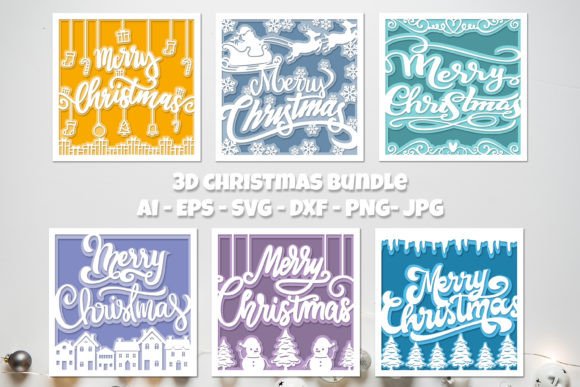
Review: Christmas Cards Bundle SVG for Embroidery
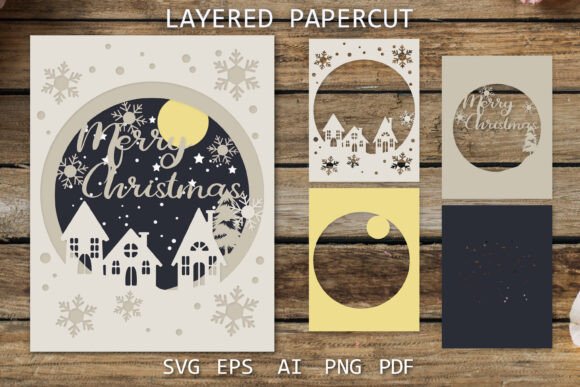
As a designer who spends half my life staring at digitized files and the other half watching needles punch through fabric, I have learned to be skeptical of bundles. The market is flooded with generic holiday graphics that look pretty on a screen but turn into a tangled mess under the presser foot. However, when I opened the Christmas Cards Bundle SVG, my initial reaction was one of cautious optimism. This isn’t just another clip-art dump; it is a curated collection of six paper-cut style card designs that translate surprisingly well into the tactile world of thread.
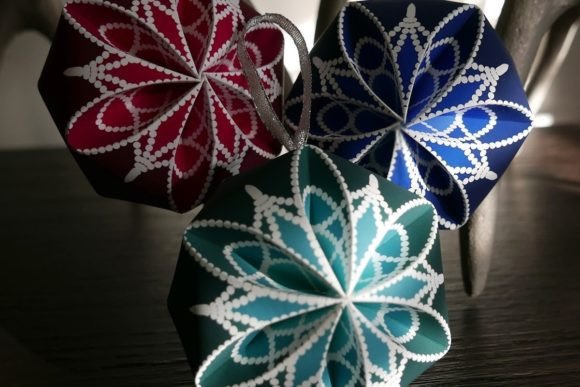
The visual personality of this bundle is distinct. It captures that layered, dimensional aesthetic of intricate paper crafts, which presents both an opportunity and a challenge for us embroidery professionals. The mood is nostalgic yet modern, perfect for clients who want something more sophisticated than the standard red-and-green snowmen. But does it work in real life? Let’s break down how these designs perform when moved from digital assets to actual stitched products.
First Impressions and Design Layout
The first thing I noticed about the Christmas Cards Bundle SVG is the clarity of the shapes. Paper cut designs rely heavily on negative space and clean lines to create depth. In embroidery, this translates to a need for precise stitch placement. The layouts are balanced, avoiding the cluttered corners that often cause registration issues on multi-needle machines. The theme is unmistakably festive, but it avoids being overly juvenile, making it versatile for a wide range of applications.
For those of us creating design assets for small shops, this versatility is key. You aren’t limited to just one demographic. These designs can anchor a high-end boutique product or serve as a charming accent on a handmade gift. The level of detail is moderate—enough to be interesting, but not so dense that it becomes a nightmare to stitch out on textured fabrics.
Real-World Application: From Screen to Stitch
To test the viability of this bundle, I imagined a specific client scenario: a local boutique owner wanting to launch a line of holiday-themed custom apparel. She needed designs that would look premium on heavy cotton sweatshirts and structured tote bags. I selected one of the more intricate card designs from the bundle to visualize on a cream-colored fleece.
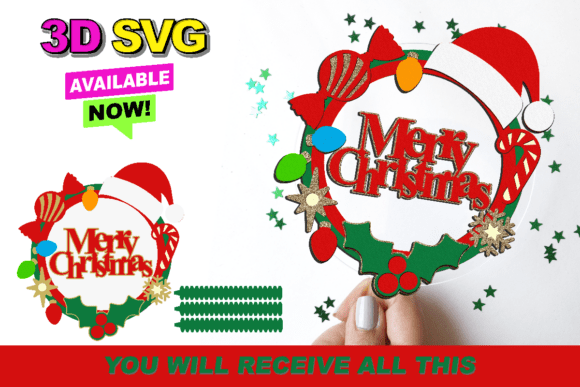
The result was promising. The layered look of the 3D SVG style mimics the shadowing you get with physical paper layers. By using varying thread colors—perhaps a deep forest green for the base layer and a lighter sage for the top details—you can achieve a subtle depth without needing complex 3D foam techniques. This makes the Christmas Cards Bundle SVG an excellent choice for sweatshirt embroidery where bulkiness can be an issue. The design sits flat but looks dimensional due to the clever use of color blocking inherent in the paper-cut style.
Beyond apparel, these designs shine on home goods. Imagine these stitched onto linen tote bag design prototypes or heavyweight canvas aprons. The geometric nature of the paper cut style holds up well against the weave of natural fibers. For Etsy sellers looking to differentiate their handmade product listings, this bundle offers a unique aesthetic that stands out against the sea of traditional holiday motifs.
Technical Considerations and Fabric Choices
While the designs are visually appealing, we must address the technical realities of stitching them. Paper cut designs often feature sharp corners and thin bridges between elements. When converting or using these as a machine embroidery design, attention to stitch density is critical. If the density is too high, those thin bridges may break or pucker the fabric. If too low, the fabric might show through, ruining the solid look required for the paper-cut effect.
I recommend testing these files on scrap fabric before committing to a final embroidery project. Pay close attention to how the design behaves on stretchy materials. For baby embroidery items like onesies, you must ensure the stabilizer is robust enough to prevent distortion, as the detailed corners can pull on knit fabrics. A cut-away stabilizer is likely your best friend here.
Also, consider the hoop size. Some of the more elaborate cards in the bundle may require a larger hoop to maintain proportion. If you are working with a smaller 4x4 hoop, you might need to scale down the design, which could compromise the integrity of the finer details. Always check the minimum viable size by printing the design at 100% scale on paper and cutting it out to see if the tiny elements hold together.
Navigating Challenges: Dark Fabrics and Curves
One area where caution is needed is with dark fabrics. The light-reflecting quality of satin or fill stitches can change the perceived color. If you are stitching a light-colored paper cut design onto a black hoodie, you might need an underlay stitch or a backing patch to prevent the dark fabric from peeking through the lighter threads. This is especially true for applique design adaptations where the fabric itself provides the color.
Curved surfaces, such as caps or hats, present another challenge. The rigid geometry of paper cut designs can distort when stitched over the curved crown of a cap. I would advise using these designs on flat panels or adjusting the digitizing to account for the push and pull of the fabric. For embroidered patch creation, however, these designs are ideal. The stiff backing of a patch supports the intricate cuts perfectly, allowing for crisp, clean lines that mimic the original vector art.
Commercial Value and Brand Consistency
For craft business owners, the value of this bundle lies in its professionalism. Using cohesive design elements helps build brand recognition. If you are selling personalized gift items, having a signature style—like this paper-cut aesthetic—can make your shop memorable. Customers trust consistency. When they see a well-executed, intricate design, they perceive higher value, which can justify a higher price point for your small shop product offerings.
Moreover, these files serve as excellent printable mockup bases. Before you even stitch a single thread, you can use the SVGs to create digital previews for your online store. This saves time and material costs while allowing you to gauge customer interest. It is a smart workflow for any digital embroidery file user who wants to minimize waste.
Final Designer Notes
Before you integrate the Christmas Cards Bundle SVG into your commercial workflow, here are a few practical steps:
- Check Licensing: Always confirm the license terms. Ensure you are allowed to sell finished physical items made with these designs. Some creators restrict digital resale but allow physical product sales.
- Test Stitch Density: Run a test stitch on similar fabric to your final product. Look for puckering or thread breaks in the tightest corners.
- Color Contrast: Plan your thread palette carefully. High contrast works for bold statements, while tonal variations create that subtle 3D paper effect.
- Stabilizer Selection: Match your stabilizer to your fabric weight. Heavier fabrics need less support, but delicate knits need maximum stability to handle the detailed stitching.
In conclusion, the Christmas Cards Bundle SVG is a strong contender for holiday collections. It bridges the gap between digital precision and handmade charm. With careful attention to technical details like hoop size, stabilizer, and thread choice, these designs can elevate your commercial embroidery projects from standard to standout. Whether you are decorating kitchen towels, creating holiday embroidery for gifts, or expanding your Etsy seller inventory, this bundle offers the flexibility and style needed to succeed in a competitive market.